Singapore imports almost all of its food, and bananas lean on just two countries at record prices. ECOISM's 'Golden Drop' diversifies supply — for shelves that stay stocked and prices that stay steady.
Food security is national strategy — and its first pillar is diversifying import sources.
Singapore imports over 90% of its food — exposed to climate, disease and geopolitical shocks.
Source: MSE / Our Food Future.Local vegetable self-sufficiency is just 3%; fruit like bananas stays import-dependent.
Source: MSE; LKYSPP case study.Malaysia 70% / Vietnam 26% / Philippines 2% (2024–25) — a narrow base at record prices.
Source: Volza import data 2024–25.The food-resilience plan leads with diversifying import sources, plus partnerships, stockpiling and local production.
Source: Singapore Food Story 2 (MSE).One resilient supply chain — Vietnamese origin, quality-controlled growing, cold-chained export, and Golden Drop on Singapore shelves.
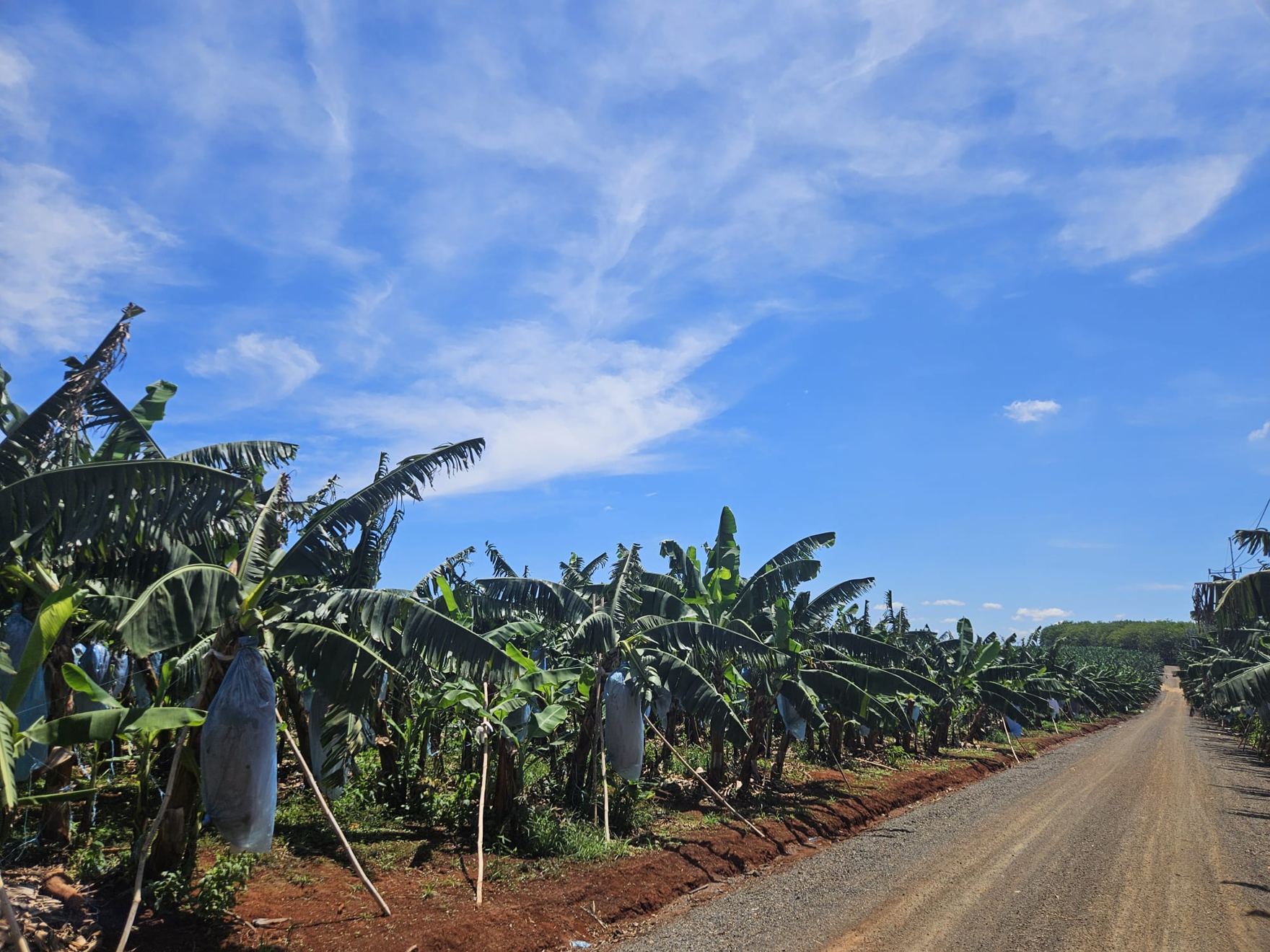
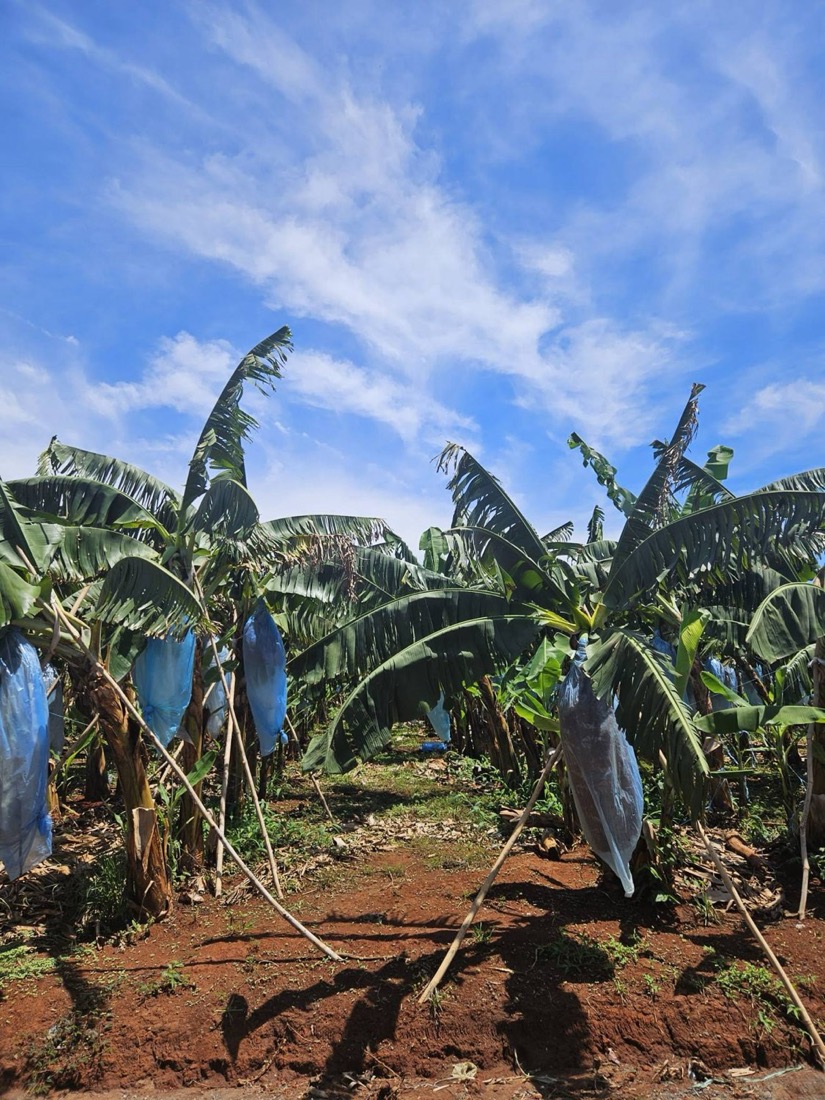
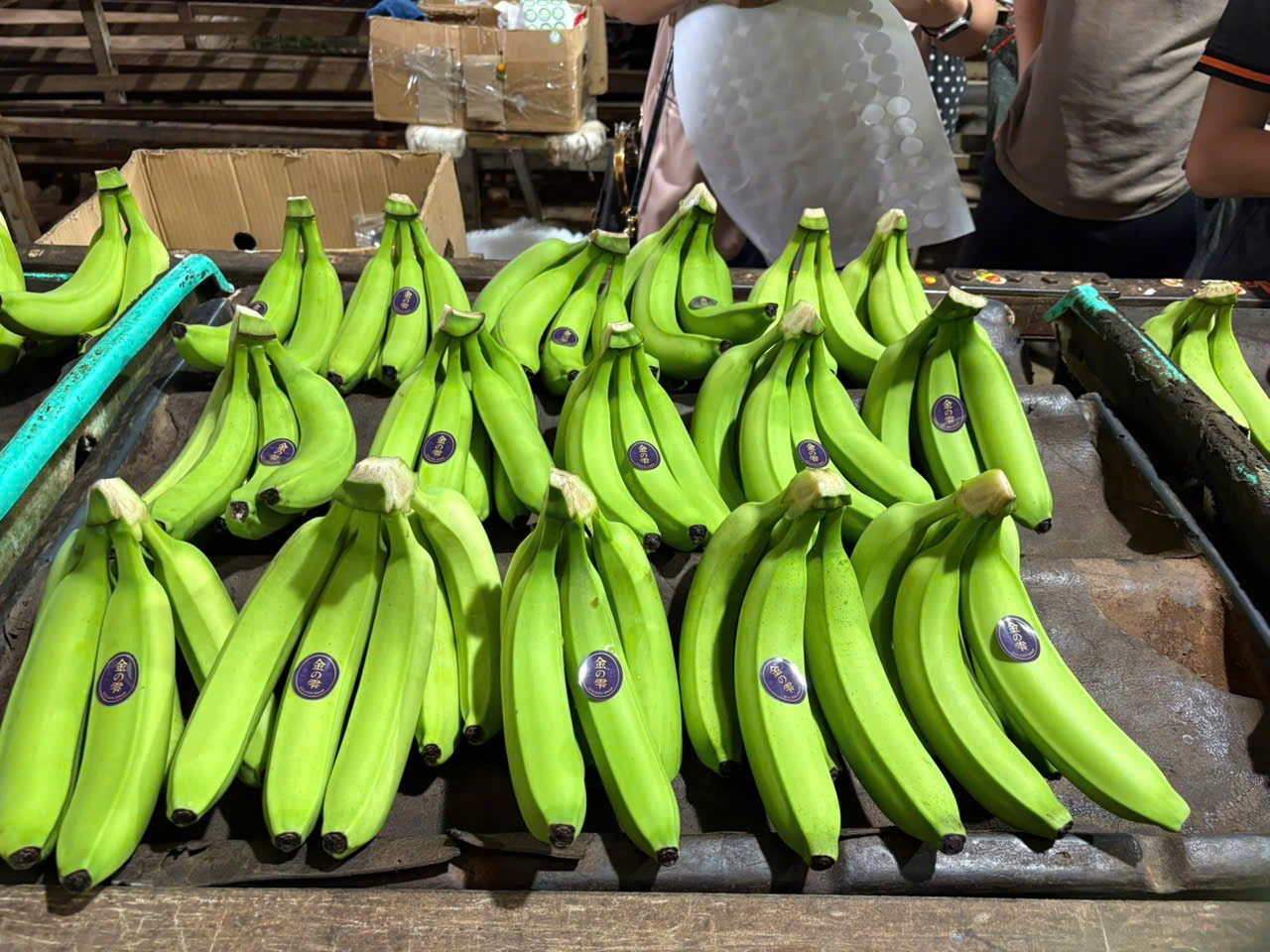
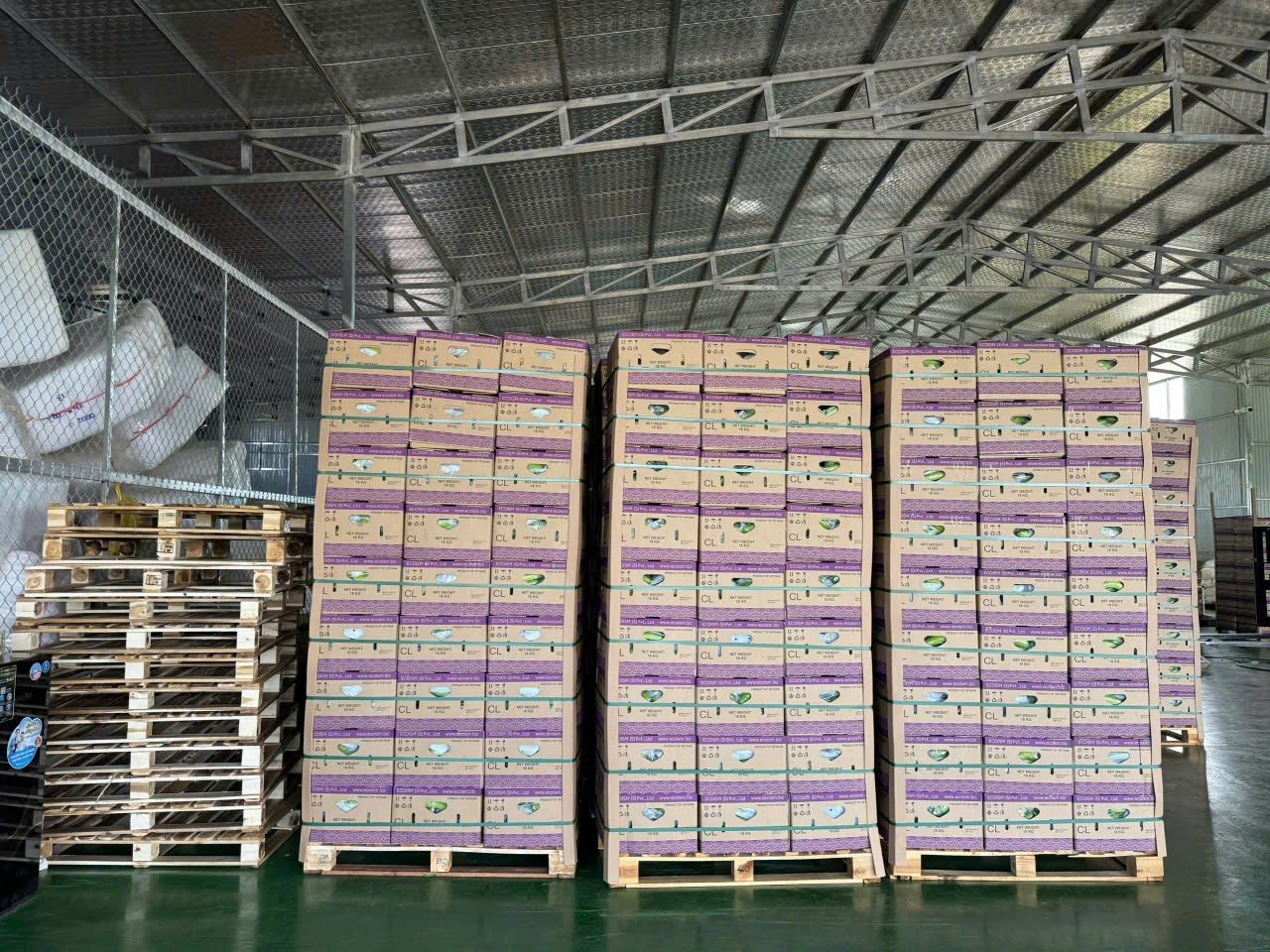
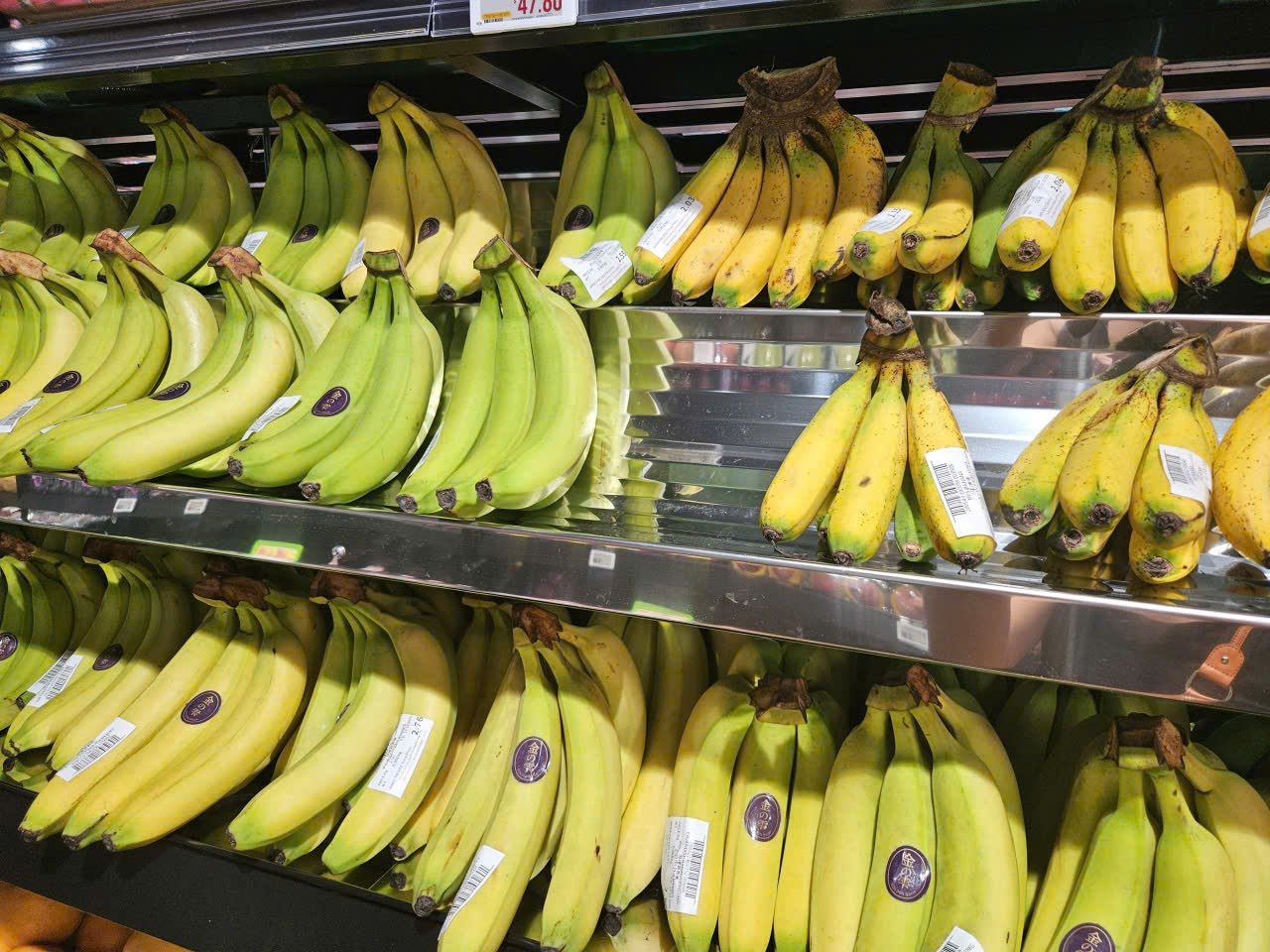
The conclusion: diversified sourcing → shelves resilient to stockouts, at steadier prices. Photography: ECOISM supply chain.
| Demand | Golden Drop response |
|---|---|
| Source concentration (MY 70%) | Adds a Vietnamese premium origin |
| Price volatility / record highs | Diversified supply for steadier pricing |
| Stockout risk on the shelf | Broader base = more resilient availability |
| National strategy: diversify imports | Directly aligned |
'Golden Drop' is the premium banana line from ECOISM's fruit division — built on diversified, resilient sourcing that aligns with Singapore's food-security strategy.
ECOISM Singapore Fruit sources 'Golden Drop' from Trường Tồn (Truong Ton), our officially certified partner farm in Vietnam. Every bunch is grown, harvested, processed and packed under internationally recognised food-safety and quality standards — and exported to Japan, Korea and China.
A partner who shares our values. Trường Tồn's own motto — "prosperity with customers" — and its commitment to balancing the interests of customers, employees and the community echo our own Sanpo-yoshi principle: good for the seller, the buyer, and society.
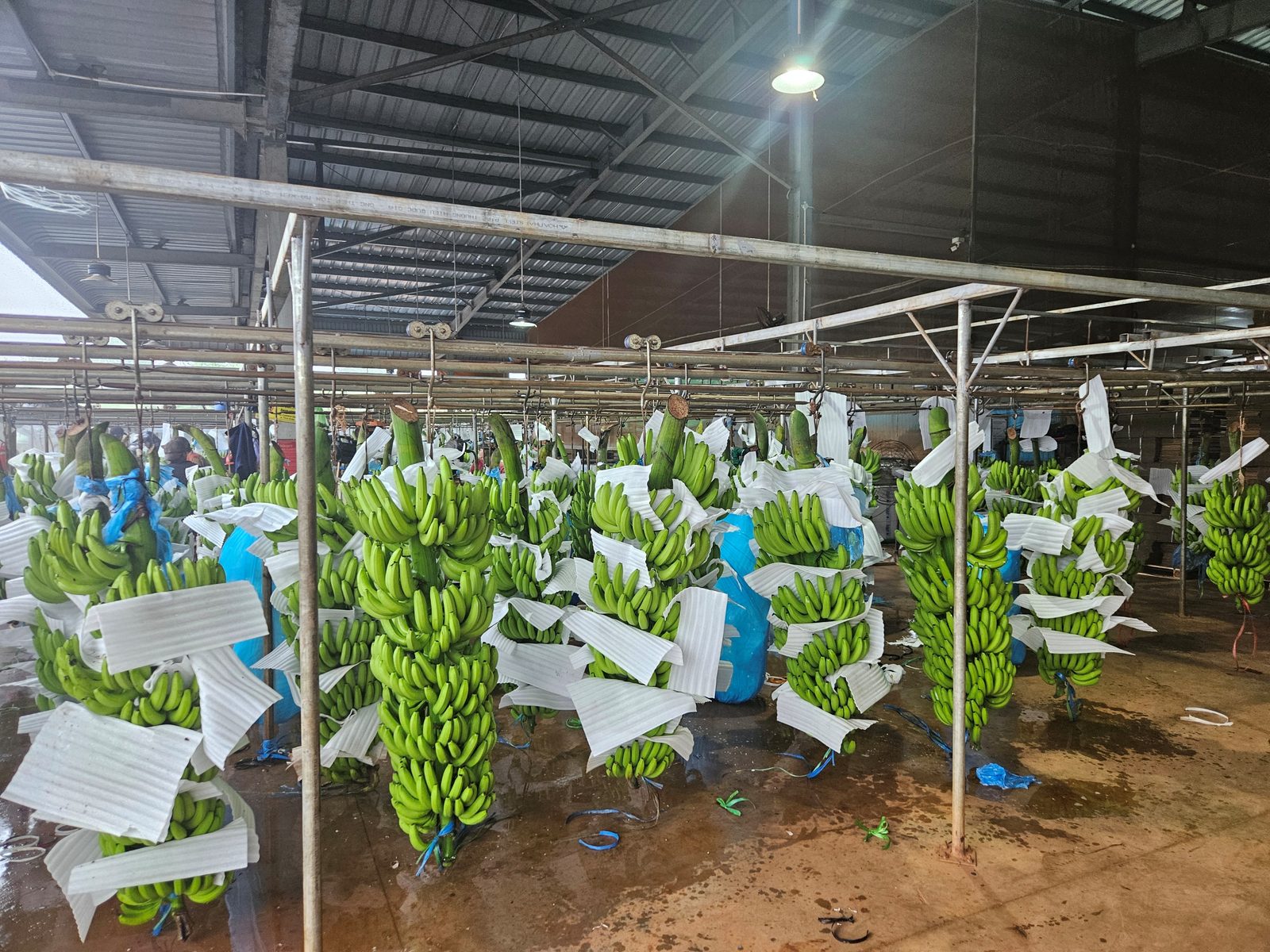
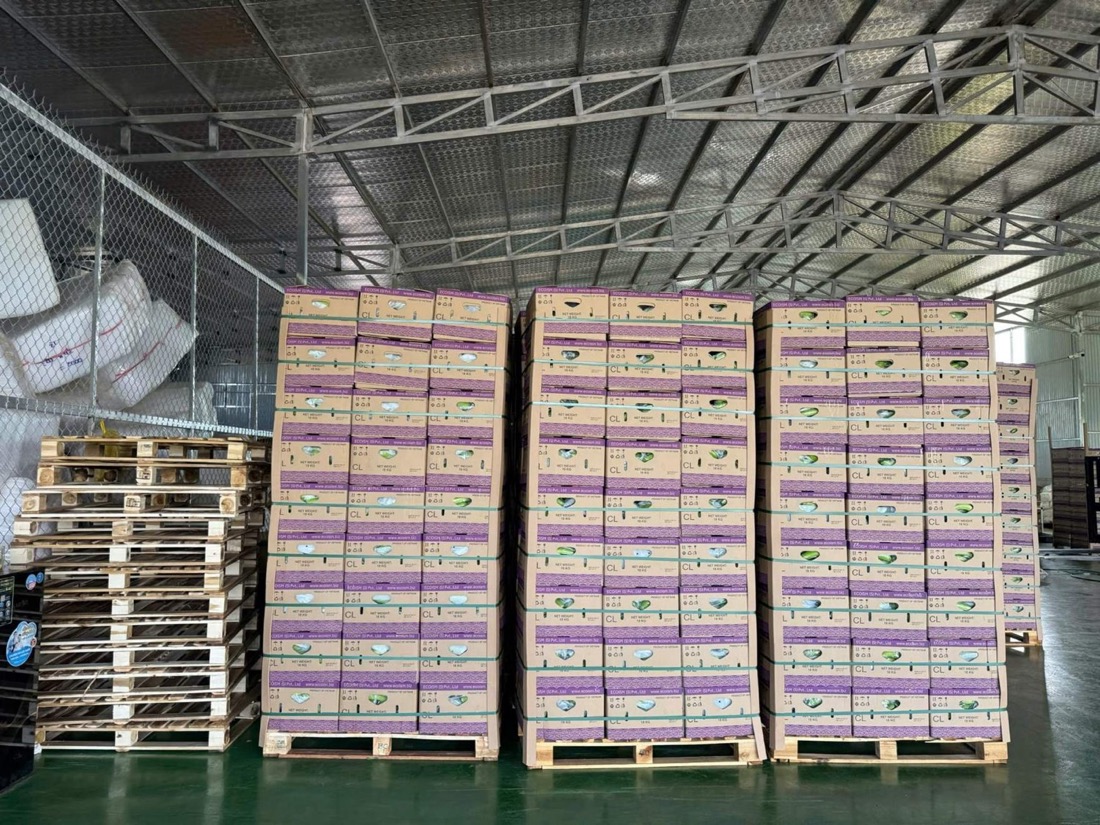
Quality (sweetness, freshness, nutrition) plus stable, diversified supply.